
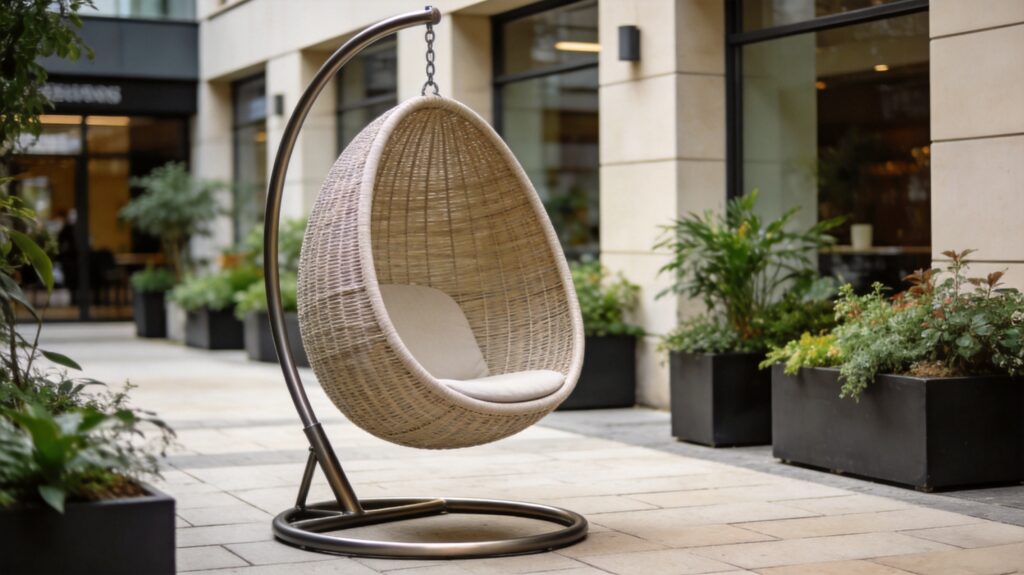
Hanging Egg Chair with Stand: Smart Commercial Choice
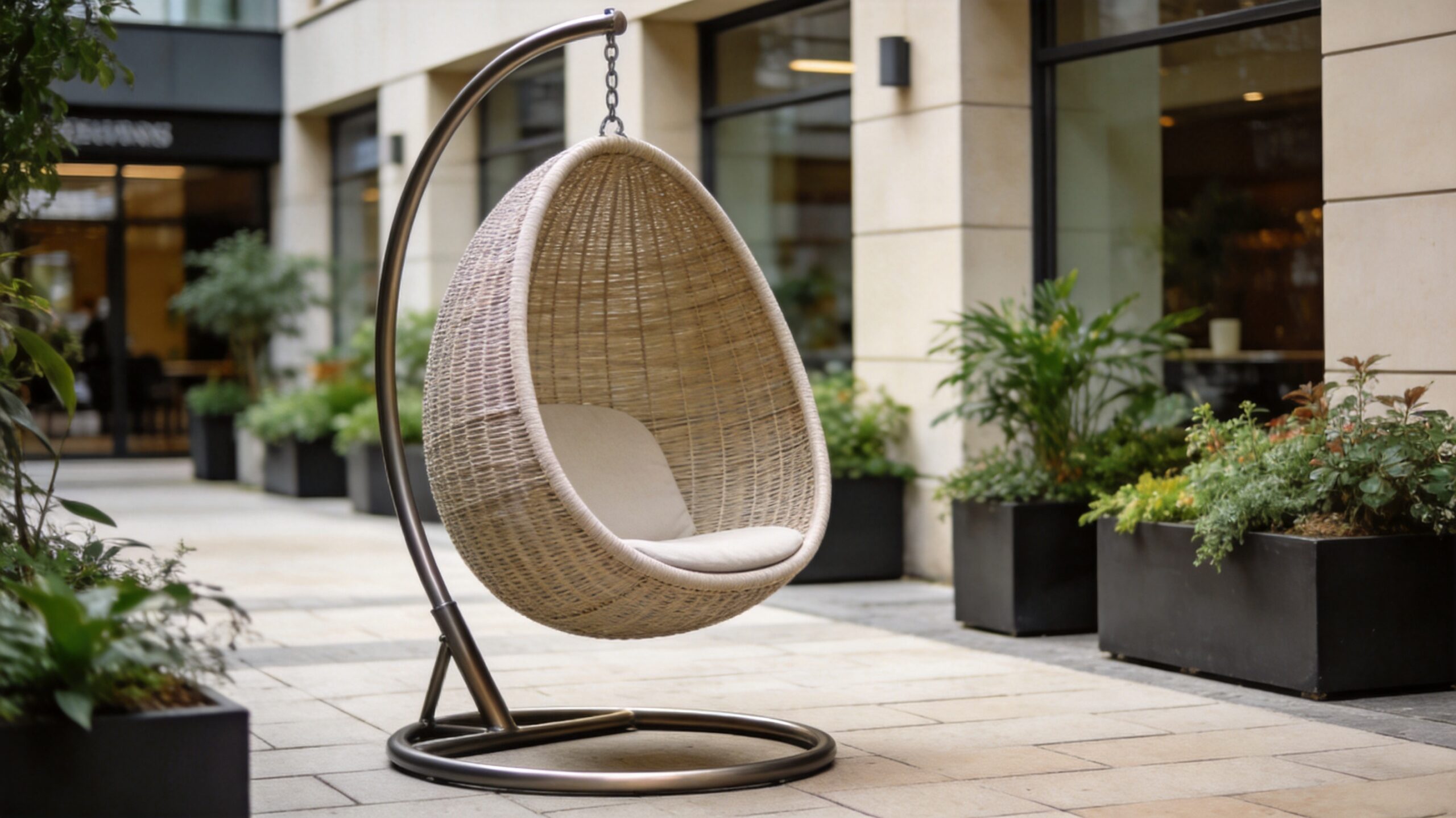
In the competitive world of hospitality, retail, and leisure, creating an inviting outdoor environment is no longer a luxury—it is a business necessity. Commercial buyers are constantly seeking furniture that balances aesthetics, durability, and functionality. The hanging egg chair with stand has emerged as a standout investment, offering a distinctive seating solution that captivates guests and elevates brand perception.
Unlike traditional patio furniture, these sculptural pieces transform empty corners into destination spots, encouraging longer visits and repeat business. This guide provides a comprehensive, practical overview for procurement managers, venue owners, and hospitality directors considering this versatile furniture category. A hanging egg chair with stand is a durable, weather-resistant option that suits high-traffic areas, and its freestanding design requires no ceiling or wall mounting.
Why Commercial Buyers Choose a Hanging Egg Chair with Stand
Durability and Weather Resistance for High-Traffic Areas
Commercial environments demand furniture that withstands constant use and unpredictable weather. A high-quality hanging egg chair with stand is engineered with powder-coated steel or aluminum frames, rust-resistant hardware, and marine-grade synthetic rattan. These materials are specifically chosen to endure UV exposure, rain, and temperature fluctuations without cracking, fading, or corroding. For venues operating year-round, this durability translates directly into lower replacement costs and fewer maintenance interruptions.
Space Efficiency Without Ceiling or Wall Mounting
One of the most compelling advantages of a freestanding model is its independence from structural modifications. Ceiling-mounted swings require reinforced beams, engineering assessments, and invasive installation. A hanging egg chair with stand, however, utilizes vertical space efficiently, fitting neatly into corners, along walkways, or under pergolas. This flexibility allows commercial operators to reconfigure layouts seasonally or for special events without costly renovations.
Instant Visual Impact for Brand Differentiation
In saturated markets, visual distinctiveness drives foot traffic. The sweeping silhouette of an outdoor hanging ball chair creates an immediate focal point that photographs beautifully and generates social media buzz. For hotels, boutique cafés, and showrooms, these chairs signal creativity and guest-centric thinking, setting the establishment apart from competitors offering standard bistro sets.
Key Specifications to Evaluate Before Bulk Ordering
Frame Material: Steel vs. Aluminum vs. Rattan
The frame determines the chair’s lifespan and stability. Galvanized or powder-coated steel offers maximum strength and is ideal for high-traffic commercial zones. Aluminum is lighter, making it easier to reposition, while remaining corrosion-resistant—an excellent choice for coastal venues. PE rattan (polyethylene) wrapping provides the aesthetic of natural wicker with superior weather resistance. Buyers should verify that the rattan is UV-stabilized to prevent brittleness over time.
Weight Capacity and Safety Certifications
Commercial models should support at least 250–300 kg (550–660 lbs) to accommodate diverse users safely. Request documentation for load-testing standards, such as EN 581 or ASTM F2057, to ensure compliance with international safety benchmarks. Certifications protect your business from liability and guarantee that the product meets rigorous quality controls.
UV-Resistant and Waterproof Fabric Options
Cushions and canopies are often the first components to fail. Specify solution-dyed acrylic or polyester fabrics with a UPF 50+ rating and water-repellent finishes. These materials resist mold, mildew, and fading, ensuring that the chairs maintain a premium appearance with minimal intervention. Quick-dry foam cores are also advisable for rainy climates.
Best Use Cases for Outdoor Hanging Ball Chairs in Business Settings
Cafés and Restaurants: Creating Cozy Seating Zones
For cafés, a pair of outdoor hanging ball chairs near a window or garden edge creates intimate nooks that invite patrons to linger over coffee. The gentle rocking motion encourages relaxation, increasing average dwell time and, consequently, per-table revenue. Many operators report that these chairs become the most requested seats in the establishment.
Resorts and Hotels: Poolside and Lounge Areas
Hotels utilize hanging egg chairs with stands to enhance poolside luxury. Positioned under shade sails or beside fire pits, they offer guests a private retreat within a communal space. For beachfront properties, aluminum frames with rust-proof finishes are essential to withstand saline air.
Retail Showrooms and Event Spaces: Interactive Displays
Furniture showrooms and design studios use these chairs as interactive displays, allowing customers to experience the product firsthand. Event planners deploy them at outdoor weddings, product launches, and festivals to create Instagram-worthy lounges that elevate the overall event aesthetic.
Hanging Egg Chair with Stand vs. Ceiling-Mounted Alternatives
Installation Complexity and Labor Costs
Ceiling-mounted chairs require professional installers, structural reinforcement, and potentially building permits—costs that can exceed the price of the chair itself. A freestanding unit arrives fully assembled or with minimal tool-free assembly, eliminating specialized labor and reducing setup time to minutes.
Portability and Seasonal Storage Flexibility
Freestanding models can be moved indoors during winter or relocated to follow the sun or shade. This flexibility is invaluable for venues that host varying events or need to protect furniture during off-seasons. Ceiling-mounted options are permanent fixtures, offering no such adaptability.
Compliance with Local Building Codes
Many municipalities impose strict regulations on suspended loads, requiring inspections and engineering sign-offs. Freestanding chairs bypass these hurdles entirely, allowing businesses to deploy seating immediately without bureaucratic delays.
Sourcing and Bulk Procurement Strategies for Businesses
Minimum Order Quantities and Lead Times
When sourcing from overseas manufacturers, clarify minimum order quantities (MOQs), which typically range from 10 to 50 units for commercial-grade models. Lead times vary from 30 to 90 days depending on customization and shipping logistics. Plan procurement cycles well ahead of peak seasons to avoid stockouts.
Customization Options: Colors, Logos, and Materials
Reputable suppliers offer customization, including brand-colored rattan, embroidered logos on cushions, and branded canopy prints. These options transform standard furniture into marketing assets, reinforcing brand identity across all touchpoints.
Warranty and After-Sales Support from Suppliers
A robust warranty—typically 2 to 5 years on frames and 1 to 2 years on fabrics—is a hallmark of a reliable manufacturer. Verify that the supplier provides accessible replacement parts and responsive after-sales communication. Establish a direct line of contact for warranty claims to minimize downtime.
Implementation and Maintenance Best Practices
Site Placement and Floor Protection
Place chairs on stable, level surfaces. For grass or soft ground, use base plates or paving stones to prevent sinking. On decking or concrete, add rubber pads under the stand to avoid scratches and noise. Ensure a clearance radius of at least 1 meter around the chair to prevent collisions with foot traffic.
Cleaning and Care for Long-Term Use
Routine maintenance is straightforward: wipe frames with mild soapy water, rinse cushions, and allow them to air dry. Apply a UV protectant spray to rattan twice a year to extend its lifespan. In harsh winters, store cushions indoors and cover frames with breathable furniture covers.
Replacement Parts and Repair Accessibility
Choose suppliers who stock spare parts, including cushions, canopies, and hanging hardware. Quick access to replacements prevents a single damaged component from rendering an entire chair unusable, protecting your initial investment. A reliable hanging furniture stand is essential for maintaining the structural integrity of your seating over time.
Cost Considerations and ROI for Commercial Outdoor Seating
Price Ranges by Material and Build Quality
Commercial-grade hanging egg chairs with stands range from $400 to $1,200 per unit, depending on frame material, size, and brand reputation. Entry-level models may suffice for low-traffic venues, but high-traffic establishments should invest in premium builds to avoid premature failure.
Long-Term Value vs. Cheaper Alternatives
While budget options may halve upfront costs, they often require replacement within 12–18 months. Premium chairs, with proper care, can last 5–10 years, offering superior cost-per-use value. Additionally, their aesthetic appeal can justify premium pricing in your venue.
Impact on Customer Dwell Time and Satisfaction
Data from hospitality operators indicates that unique seating increases dwell time by 15–25%. Longer visits correlate with higher spend per customer, making the hanging egg chair with stand a revenue-generating asset rather than a mere expense. For further industry reference on material performance and durability standards, consult authoritative engineering resources.
Frequently Asked Questions for Commercial Buyers
What is the maximum weight capacity for commercial models?
Most commercial-grade models support 250–300 kg (550–660 lbs). Always verify the manufacturer’s stated capacity and request load-test certificates for insurance purposes.
Can the stand be used on grass, decking, or concrete?
Yes. On grass, use a base plate to distribute weight. On decking, ensure the surface can bear the concentrated load. Concrete is ideal, but add protective pads to prevent surface scratches.
How many units are recommended for a standard café patio?
For a typical 50–80 m² patio, 4–6 units create a balanced layout without overcrowding. Pair them with standard tables and chairs to offer seating variety. Start with a small batch to gauge customer response before scaling up.
Investing in hanging egg chairs with stands is a strategic move for businesses aiming to enhance guest experience, differentiate their brand, and maximize outdoor space utility. By prioritizing quality materials, verifying safety standards, and partnering with dependable suppliers, commercial buyers can achieve a compelling return on investment that extends far beyond aesthetics.