
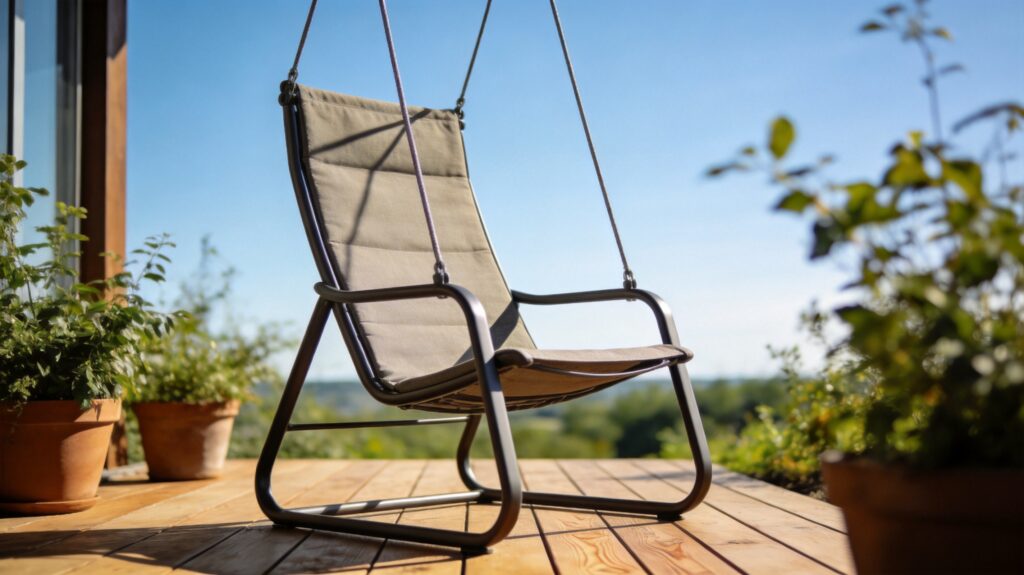
Fade-Resistant Outdoor Furniture: A Smart Investment for Hospitality Businesses
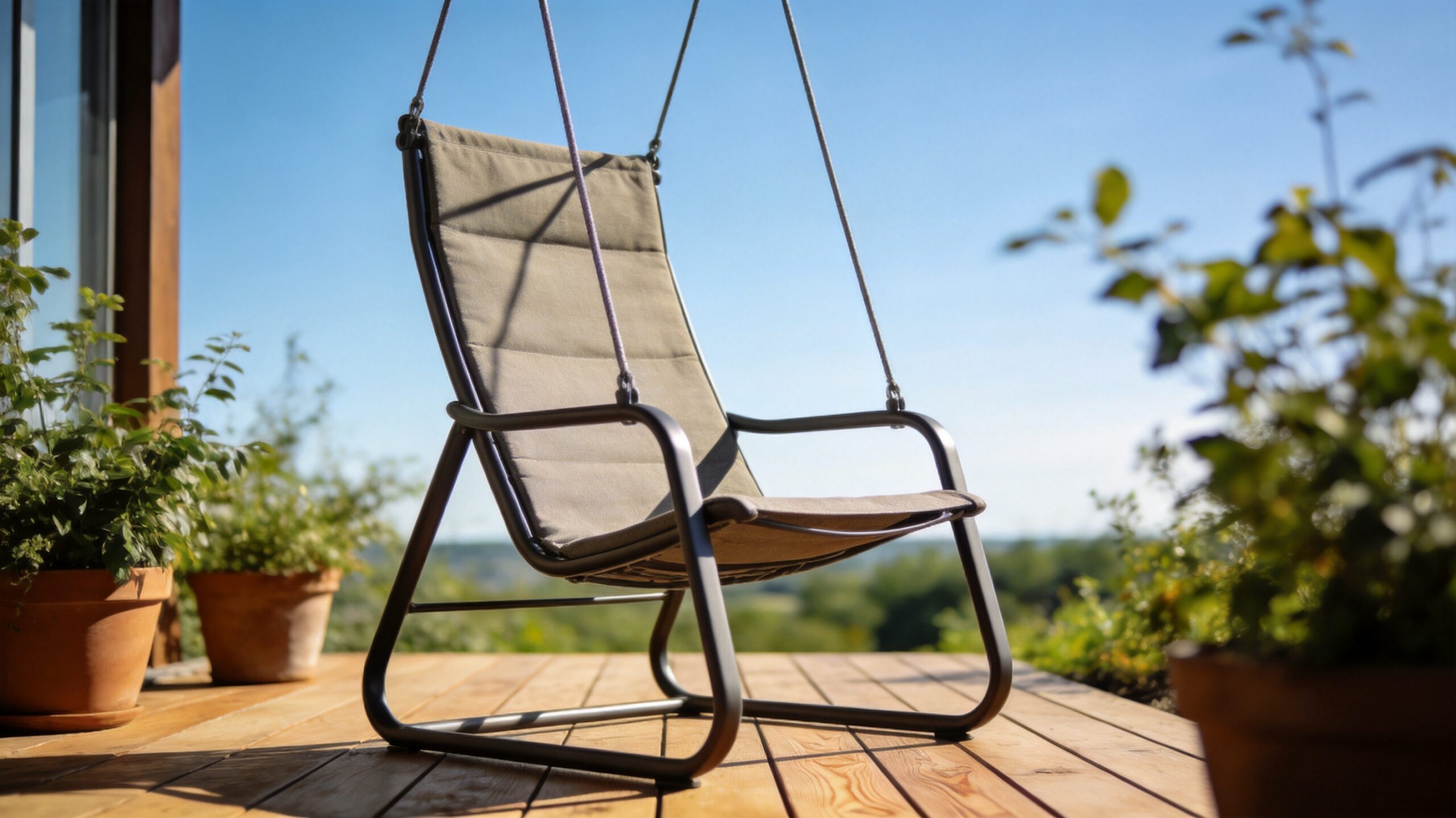
Why Weather-Proof Hanging Chairs Matter for Your Business
If you run a hotel, resort, restaurant, or rooftop lounge, your outdoor seating isn’t just furniture—it’s a direct reflection of your brand’s quality. I’ve seen too many businesses make the same costly mistake: purchasing budget-grade pieces that lose their color within a single season of harsh sun exposure. The result? A tired, faded look that guests notice immediately.
The Real Cost of Cheap Furniture
Let’s talk numbers. Cheap furniture that fades, cracks, or rusts after 12 months will need replacement—sometimes twice within the lifespan of one premium fade-resistant piece. When you factor in labor costs for removal, disposal, and reinstallation, those initial “savings” vanish quickly. Fade-resistant outdoor furniture is engineered to maintain its aesthetic integrity for five, ten, or even fifteen years. From what I’ve seen in the industry, that makes it a far better capital expenditure.
Brand Image and Guest Experience
Think about your guest’s perspective for a moment. A faded, sun-bleached outdoor hammock chair signals neglect. It undermines the premium experience you’re trying to deliver. On the flip side, rich, consistent color and pristine condition communicate professionalism and care. In today’s world of Instagram and Google Reviews, the visual appeal of your outdoor spaces directly impacts your online reputation and booking decisions. Investing in weather-proof seating is really an investment in your brand’s perceived value.
Key Specifications for Commercial-Grade Hanging Chairs
Not all “outdoor” furniture is created equal. To ensure your purchase meets commercial demands, you need to evaluate specific technical specifications before committing to a supplier.
UV-Stabilized Materials and Fabric Ratings
The single most important factor in fade resistance is the fabric’s UV stabilization. Look for solution-dyed acrylic fabrics—these have pigment infused directly into the fiber rather than applied as a surface coating. That means the color stays locked in even under prolonged direct sunlight. Additionally, check the fabric’s ASTM or ISO rating for lightfastness. A rating of 6 or higher on the Blue Wool Scale indicates excellent fade resistance suitable for commercial use. For a deeper dive into material science, consult this industry reference on fade-resistant outdoor furniture.
Frame Construction: Rust-Proof Metals and Marine-Grade Finishes
The frame is the skeleton of your outdoor hammock chair. For coastal properties or humid climates, marine-grade stainless steel (316 grade) or powder-coated aluminum are non-negotiable. These materials resist corrosion, oxidation, and rust even when exposed to salt spray. I’d strongly advise avoiding standard carbon steel—it will show rust spots within months of outdoor exposure.
Weight Capacity and Safety Certifications
Commercial environments demand higher safety margins than residential use. Verify that your chosen outdoor hammock chair has a weight capacity of at least 300–400 pounds and complies with relevant safety standards such as ASTM F2057 or EN 581. Always request certification documents from the manufacturer—reputable suppliers will provide them without hesitation.
Weather-Proofing Beyond Color: Moisture and Temperature Resistance
Fade resistance is only one piece of the puzzle. True weather-proofing means your furniture withstands the full spectrum of environmental stressors.
Mildew, Mold, and Salt-Air Resistance
In humid or coastal environments, moisture is a constant adversary. Fabrics that trap water become breeding grounds for mildew and mold, which not only discolor the material but also compromise its structural integrity. Look for quick-drying, breathable mesh or acrylic fabrics with antimicrobial treatments. For salt-air exposure, ensure all hardware—including carabiners, chains, and mounting rings—is made from marine-grade materials.
Performance in Extreme Heat and Freezing Conditions
Your outdoor hammock chair must perform year-round. In scorching summer heat, fabrics should not become brittle or lose tensile strength. In freezing winters, frames should not become brittle or crack. High-quality solution-dyed acrylics and powder-coated aluminum are engineered to operate across a temperature range of -30°C to +60°C without degradation.
Comparing Outdoor Hammock Chair Options for Commercial Use
When selecting seating for your business, you have several options. Understanding the trade-offs is essential for making an informed decision.
Hanging Chairs vs. Traditional Hammocks
Traditional hammocks offer relaxation but occupy significant horizontal space and require two anchor points. Outdoor hammock chairs, by contrast, require only a single overhead mounting point and occupy a compact footprint—ideal for balconies, poolside areas, and tight patio layouts. They also provide better back support, making them more comfortable for extended sitting and more accessible for elderly guests or those with mobility concerns.
Fabric Types: Solution-Dyed Acrylic vs. Polyester vs. Mesh
- Solution-Dyed Acrylic: The premium choice. Exceptional fade resistance, soft feel, and breathability. Higher upfront cost but superior longevity.
- Polyester: More affordable but prone to fading and pilling within 2–3 seasons. Suitable for covered areas only.
- Mesh (e.g., Textilene): Excellent drainage, quick-drying, and highly durable. Ideal for poolside environments where water exposure is constant.
For commercial applications, solution-dyed acrylic or high-grade mesh are the only recommendations I can confidently make based on my experience.
Sourcing and Procurement Considerations for Bulk Buyers
Purchasing outdoor furniture for a business is fundamentally different from buying for personal use. You need a supplier who understands commercial realities.
Minimum Order Quantities and Lead Times
Most reputable manufacturers have minimum order quantities (MOQs) ranging from 10 to 50 units. Clarify MOQs upfront and confirm production lead times—typically 4–8 weeks for custom orders. Plan your procurement well ahead of peak season to avoid stockouts. As a home textile manufacturer, we can guide you through the sourcing process.
Warranty, Replacement Parts, and After-Sales Support
A commercial-grade warranty should cover at least 3–5 years on fabric and 5–10 years on frames. Equally important is the availability of replacement parts—cushions, hanging hardware, and mounting kits—so you can repair rather than replace entire units. Ask your supplier about their after-sales support infrastructure, including response times and spare parts inventory.
Implementation: Placement and Installation Best Practices
Even the highest-quality outdoor hammock chair will fail if installed incorrectly. Proper installation is critical for safety and longevity.
Structural Mounting Requirements
Hanging chairs require a structural support capable of holding at least 10 times the chair’s weight capacity to account for dynamic loads from swinging. For wooden pergolas, verify beam thickness and attachment methods. For concrete ceilings or steel structures, use appropriate expansion anchors or welded brackets. Always consult a structural engineer for installations on rooftops or elevated decks.
Layout Strategies for High-Traffic Zones
Position hanging chairs away from primary walkways to prevent collisions and congestion. Create defined “relaxation zones” with 6–8 feet of clearance around each chair. Ensure adequate spacing between chairs (at least 4 feet) to prevent swinging collisions. Consider sightlines—place chairs to maximize views while maintaining privacy between seating groups.
Maintenance and Lifecycle Management
With proper care, your fade-resistant outdoor furniture will deliver years of reliable service. Neglect, however, will shorten its lifespan dramatically.
Cleaning Protocols to Preserve Color and Integrity
Establish a bi-weekly cleaning schedule using mild soap and water. Avoid harsh chemical cleaners, bleach, or pressure washers, which can strip protective coatings and accelerate fabric degradation. For stubborn stains, use a soft brush and a solution of water and mild detergent. Rinse thoroughly and allow to air dry completely before use.
Seasonal Storage and Inspection Schedules
At the start and end of each season, conduct a full inspection: check for loose bolts, worn straps, frayed fabric, or rust spots. If you operate in a climate with harsh winters, consider storing cushions and fabric components indoors. For year-round operations, schedule quarterly professional inspections to catch minor issues before they escalate into safety hazards. Refer to this technical reference for workplace safety guidelines relevant to commercial furniture maintenance.
Frequently Asked Questions (FAQs)
How long does fade-resistant outdoor furniture typically last?
With proper care, premium fade-resistant outdoor furniture—featuring solution-dyed acrylic fabrics and powder-coated aluminum frames—can maintain its appearance and structural integrity for 10–15 years. Budget alternatives typically last only 2–3 years before significant fading and deterioration occur.
Can outdoor hammock chairs withstand commercial daily use?
Yes, provided you select commercial-grade models with reinforced stitching, heavy-duty frames, and weight capacities of 300 pounds or more. Residential-grade chairs are not designed for the constant use and abuse of hospitality environments, so always specify commercial-grade construction when ordering.
What is the difference between UV-resistant and fade-proof?
UV-resistant means the material can withstand ultraviolet radiation without breaking down structurally. Fade-proof (or fade-resistant) specifically refers to the material’s ability to retain its original color. A fabric can be UV-resistant but still fade if the dye is not colorfast. For maximum color retention, look for solution-dyed fabrics with high lightfastness ratings, which address both UV degradation and color fading.
Investing in fade-resistant outdoor furniture and weather-proof outdoor hammock chairs is not an expense—it is a strategic asset. By choosing materials engineered for commercial durability, you protect your brand image, reduce long-term costs, and create outdoor spaces that guests will remember for all the right reasons. Evaluate your suppliers carefully, prioritize specifications over price, and implement a proactive maintenance plan. Your outdoor spaces—and your bottom line—will thank you.